
A Note from the Chef

There is a Yoruba saying: ‘Ounje ti a je pelu ife ni o dara julo,’ which means the food we eat with love is the sweetest of all. That proverb has guided every recipe in this book.

Nigerian cuisine is one of the most diverse and vibrant food cultures on the African continent. From the pepper-forward broths of the Rivers State creeks to the peanut-rich stews of the north, from the smoky suya of an Abuja roadside grill to the freshly pounded yam served at a Lagos Sunday table, there is no single Nigerian food. There is only an endless, joyful conversation between cultures, seasons, and families.

The recipes here span soups, rice dishes, proteins, street food, drinks, and desserts — and now, a dedicated chapter for your CookEx Air Fryer and CookEx Blender. Because great Nigerian food deserves great Nigerian tools.

Contents

  • Egusi Soup
  • Ofe Onugbu (Bitter Leaf Soup)
  • Afang Soup
  • Ogbono Soup
  • Banga Soup (Ofe Akwu)
  • Jollof Rice (Party Style)
  • Ofada Rice & Ayamase Sauce
  • Pounded Yam
  • Suya (Hausa Spiced Skewers)
  • Peppered Gizzard
  • Asun (Peppered Goat)
  • Akara (Bean Fritters)
  • Puff Puff
  • Moi Moi (Steamed Bean Pudding)
CHAPTER ONE

Soups & Stews

1
The Heart of the Nigerian Table

Egusi Soup

Origin: Yoruba, Igbo & Edo traditions — National favouriteOrigin: Yoruba, Igbo & Edo traditions — National favourite
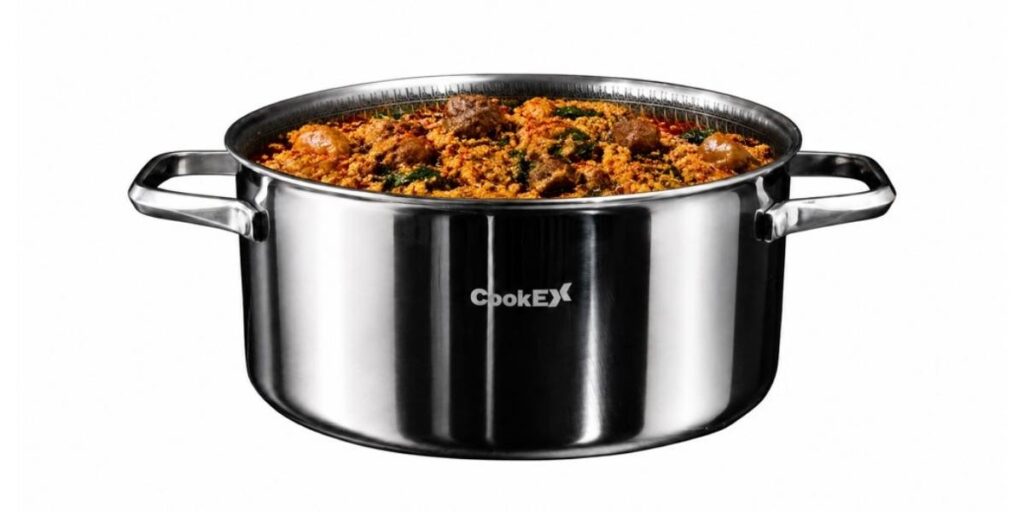
Egusi soup is arguably the most universally loved dish in Nigeria. Made from ground melon seeds, it is rich, nutty, and deeply savoury. This recipe uses the frying method, which gives a darker, more complex flavour.

Ingredients

  • 500 g ground egusi (melon seeds)
  • 1 kg assorted meats (beef, tripe, shaki)
  • 500 g stockfish, soaked and de-boned
  • 250 g fresh fish (catfish or croaker)
  • 200 ml red palm oil
  • 300 g fresh or frozen spinach (or bitter leaf)
  • 4 tablespoons ground crayfish
  • 3 Scotch bonnet peppers, blended
  • 2 large onions, blended
  • 3 stock cubes
  • Salt to taste
  • 500 ml meat stock

Method

  1. Season assorted meats with onion, stock cubes, and salt. Boil until tender, about 40
    minutes. Reserve the stock.
  2. Heat palm oil in a large pot over medium heat. Add blended pepper and onion. Fry for 10
    minutes until oil floats.
  3. Add ground egusi gradually, stirring into the palm oil and pepper base. Fry for 8 to 10
    minutes until golden and fragrant.
  4. Pour in the reserved meat stock. Stir well and simmer for 10 minutes on low heat.
  5. Add the cooked meats, stockfish, ground crayfish, and salt. Cover and cook for 15
    minutes.
  6. Add the fresh fish pieces and cook for 5 minutes, being gentle to avoid breaking the fish.
  7. Stir in the spinach or washed bitter leaf. Taste and adjust seasoning. Cook uncovered
    for 3 minutes.
  8. Serve hot with pounded yam, eba, or fufu.

Chef's Tip

The secret to restaurant-quality egusi is patience at the frying stage. Let the egusi truly catch the palm oil — it should sizzle loudly and change colour before you add any liquid.

Ofe Onugbu (Bitter Leaf Soup)

Origin: Igbo tradition — Anambra, Enugu & Imo States
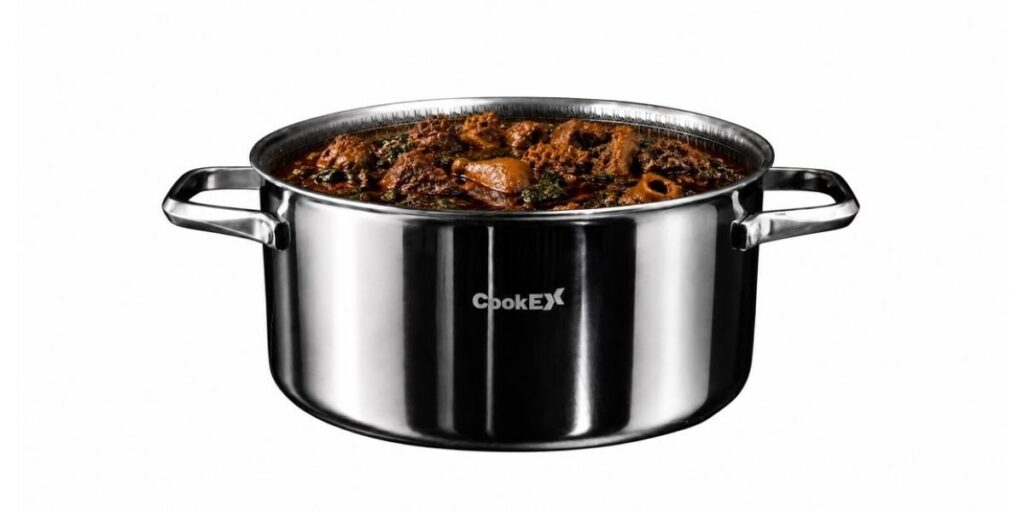
Ofe Onugbu is the pride of Igbo cooking, typically served at traditional marriage ceremonies. The careful washing of the bitter leaf — squeezed repeatedly to reduce its harshness while retaining its signature flavour — is an art in itself.

Ingredients

  • 500 g fresh bitter leaf, thoroughly washed and squeezed
  • 600 g beef or goat meat
  • 200 g dried stockfish (oporoko), soaked
  • 200 g smoked fish
  • 150 ml red palm oil
  • 3 cocoa yam corms (ede), cooked and pounded
  • 3 tablespoons ground crayfish
  • 4 Scotch bonnet peppers, ground
  • 1 large onion, ground
  • 3 stock cubes
  • Salt to taste
  • 1 teaspoon ogiri (fermented locust bean) — optional

Method

  1. Wash the bitter leaf in multiple changes of water, squeezing until bitterness is reduced
    but a mild note remains.
  2. Season meat with stock cubes and salt. Cook until tender. Reserve stock.
  3. In a large pot, fry blended pepper and onion base in palm oil for 8 minutes.
  4. Add meat stock, stockfish, smoked fish, cooked meat, crayfish, and ogiri. Simmer.
  5. Drop in pounded cocoa yam in small portions, stirring after each addition. Simmer 15
    minutes.
  6. Add the washed bitter leaf. Cook uncovered for 10 minutes.
  7. Taste, adjust seasoning, and serve with eba, fufu, or semolina.

Chef's Tip

Wash bitter leaf at least 6 times, squeezing firmly each time. The leaf should still have character — taste it raw before it goes into the pot.

Ogbono Soup

Origin: South-Eastern Nigeria — Igbo & Urhobo traditions
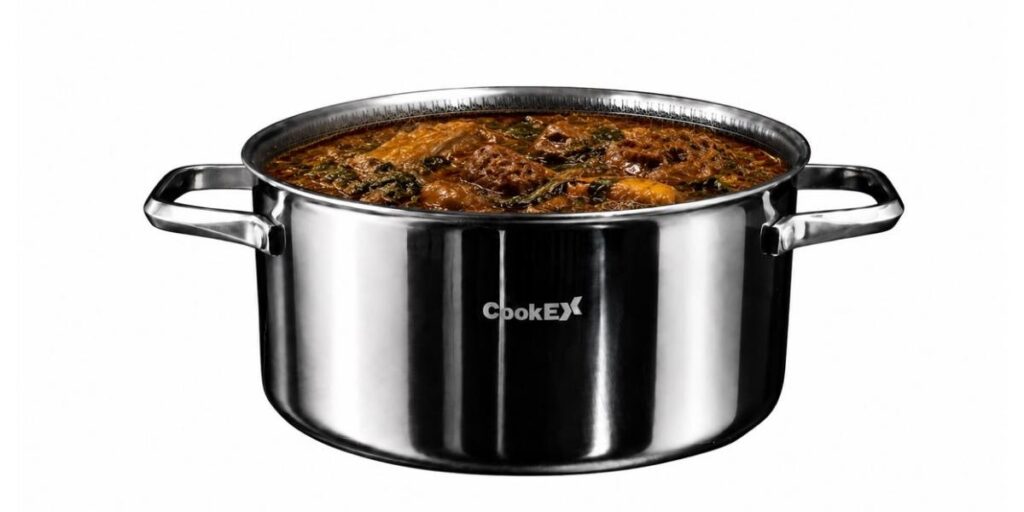
Ogbono soup is named after the wild African mango seeds ground to form its base. These seeds contain a natural thickening agent giving Ogbono its iconic drawing (stretchy, viscous) quality. The flavour is earthy, rich, and deeply satisfying.

Ingredients

  • 200 g ground ogbono seeds
  • 800 g beef or goat, cooked
  • 150 g stockfish
  • 200 ml red palm oil
  • 3 tablespoons ground crayfish
  • 300 g spinach or okazi leaf
  • 3 Scotch bonnet peppers, blended
  • 2 medium onions, blended
  • 3 stock cubes, salt to taste
  • 500 ml meat stock

Method

  1. Heat palm oil in a pot over medium heat. Add ground ogbono directly into the hot oil,stirring constantly.
  2. Fry the ogbono in the oil for 3 to 4 minutes, stirring. It will darken slightly and activate its drawing property.
  3. Add meat stock gradually while stirring. The mixture will thicken and become viscous.
  4. Add blended pepper and onion, stockfish, cooked meat, and crayfish. Stir well, cover, and simmer 20 minutes.
  5. Add spinach or okazi leaf. Stir gently and cook for a further 5 minutes.
  6. Taste and season. Serve with any swallow.

Chef's Tip

Never add water directly to ogbono powder without oil first — it will clump. Always fry the ogbono in the oil as the very first step.

Afang Soup

Origin: Efik & Ibibio tradition — Cross River & Akwa Ibom States
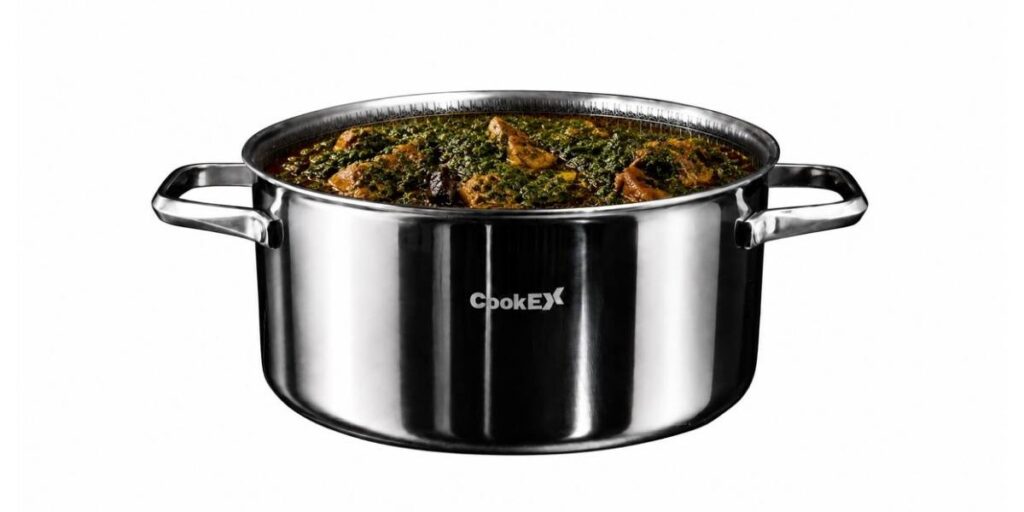
Afang soup is a luxurious, protein-rich soup from coastal south Nigeria. Its defining feature is the combination of two leaves — waterleaf and the more assertive afang leaf — creating a bright, mineral flavour profile unique in Nigerian cooking.

Ingredients

  • 500 g afang leaves, sliced very thinly
  • 1 kg waterleaf, washed and sliced
  • 800 g assorted meat and offal
  • 300 g periwinkle (isam), washed
  • 200 g dried stockfish
  • 200 g smoked fish
  • 200 ml palm oil
  • 4 tablespoons ground crayfish
  • 4 Scotch bonnet peppers, blended
  • 2 onions, blended
  • Salt and stock cubes to taste

Method

  1. Cook assorted meat with onions, salt, and stock cubes until tender. Set aside with stock.
  2. In a large pot, heat palm oil and fry pepper-onion base for 10 minutes.
  3. Add meat, stockfish, smoked fish, periwinkle, and crayfish. Add stock and simmer 15
    minutes.
  4. Add waterleaf. Stir and allow to cook down and release moisture, about 5 minutes.
  5. Add sliced afang leaf. Stir to incorporate and cook for 8 to 10 minutes.
  6. Taste and adjust seasoning. Serve immediately with eba, fufu, or semolina.

Chef's Tip

Afang leaf must be sliced as thinly as possible — almost julienned. Thick cuts produce a tough, chewy texture.

Banga Soup (Ofe Akwu)

Origin: Efik & Ibibio tradition — Cross River & Akwa Ibom States
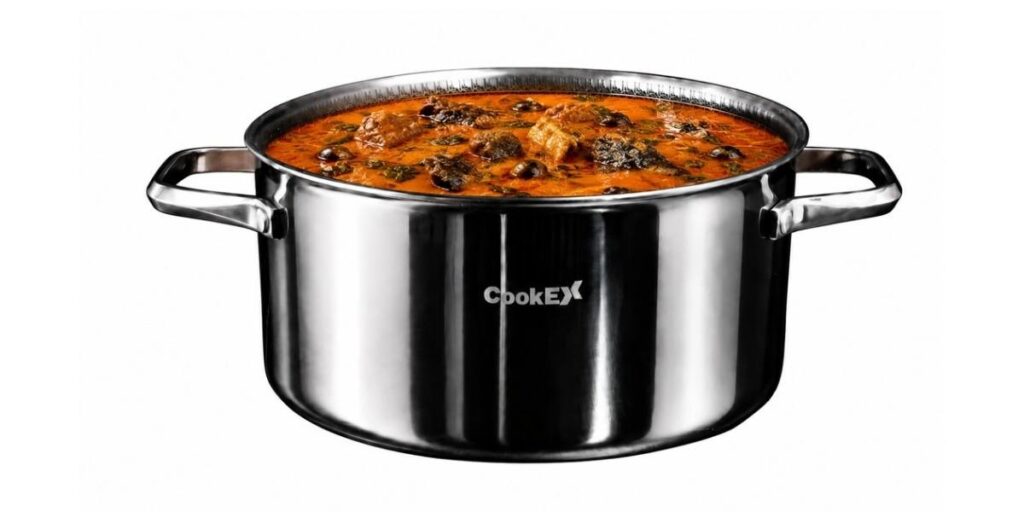
Banga soup is made from palm fruit juice extracted directly from fresh palm fruits. The Urhobo version is a lighter, aromatic broth seasoned with banga spices, dried fish, and periwinkle, known for its complex layered flavour.

Ingredients

  • 2 kg fresh palm fruits (or 800 ml canned palm juice)
  • 600 g goat meat or beef
  • 150 g dried catfish
  • 100 g periwinkle
  • 3 tablespoons ground crayfish
  • 1 packet banga spice mix (oburunbebe stick, dried uziza, atama leaf)
  • 3 Scotch bonnet peppers, blended
  • 2 onions, blended
  • Salt and stock cubes to taste
  • Fresh uziza leaves (handful)

Method

  1. If using fresh palm fruits: boil until soft, pound in a mortar, add water, and squeeze through a sieve. Discard fibre.
  2. Season and cook the meat until tender. Reserve the stock.
  3. In a large pot, pour in the palm juice and bring to a boil. Skim excess oil from the surface.
  4. Add cooked meat, dried catfish, periwinkle, crayfish, and pepper-onion blend.
  5. Add the banga spice mix wrapped in muslin or directly. Simmer for 25 minutes.
  6. Add uziza leaves and fresh atama. Adjust seasoning. Simmer 5 more minutes.
  7. Remove spice sachet. Serve with starch, eba, or boiled plantain.

Chef's Tip

Do not rush the extraction of palm juice from fresh fruits. The depth of banga soup depends entirely on a rich, concentrated palm base.chewy texture.
CHAPTER TWO

Rice, Grains & Swallows

2
The Sacred Staples

Jollof Rice (Party Style)

Origin: West African — Nigerian interpretation, national dish
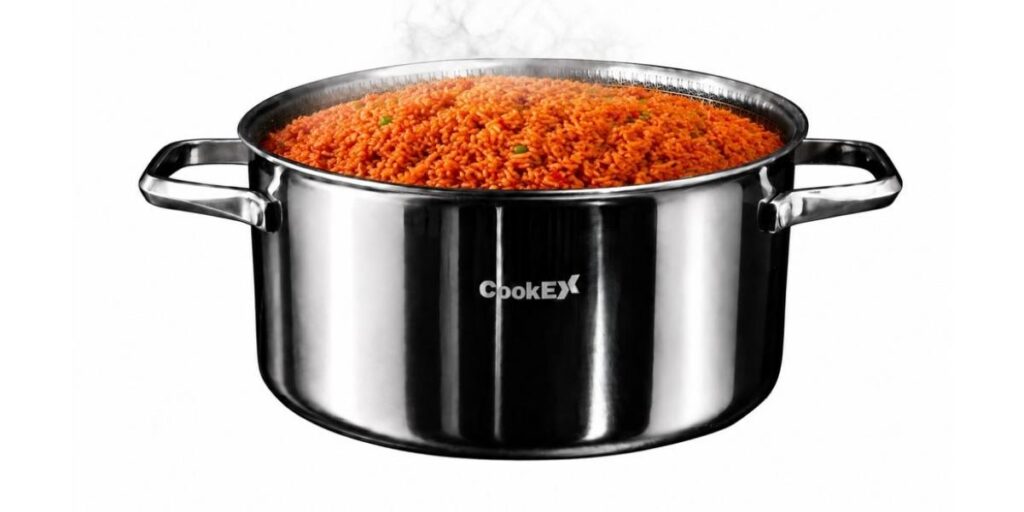
Nigerian party jollof is a phenomenon. Made in massive iron pots over firewood at owambe celebrations, it achieves a smokiness that no kitchen stove can fully replicate. This recipe brings you as close as possible using high-heat technique.

Ingredients

  • 1 kg long-grain parboiled rice
  • 6 large ripe tomatoes
  • 3 red bell peppers (tatashe)
  • 4 Scotch bonnet peppers (atarodo)
  • 2 large onions
  • 150 ml vegetable oil
  • 4 tablespoons tomato paste
  • 500 ml chicken stock
  • 3 stock cubes
  • 1 teaspoon curry powder
  • 1 teaspoon thyme
  • 1 bay leaf
  • Salt to taste

Method

  1. Blend tomatoes, bell peppers, Scotch bonnet, and 1 onion until smooth. Set aside.
  2. Wash rice until the water runs clear. Parboil for 10 minutes, drain, and set aside.
  3. Heat oil in a large pot. Fry sliced remaining onion until golden, about 5 minutes.
  4. Add tomato paste and fry for 3 minutes. Then add the blended pepper mix.
  5. Fry the tomato base on medium-high heat, stirring frequently for 20 to 25 minutes untiloil rises.
  6. Add chicken stock, curry powder, thyme, bay leaf, stock cubes, and salt. Bring to a boil.
  7. Add the parboiled rice. Stir to coat every grain. The liquid should be level with the rice.
  8. Cover tightly with foil before closing the pot lid. Cook on medium-low heat for 25 minutes.
  9. Turn off heat and allow to steam for 5 minutes. Fluff gently with a fork and serve.

Chef's Tip

For that smoky party jollof flavour, after the rice is fully cooked, remove the lid and foil, increase heat to high, and allow the bottom to burn very slightly for 2 minutes.

Ofada Rice & Ayamase Sauce

Origin: Ogun State (Yoruba) — South-West Nigeria
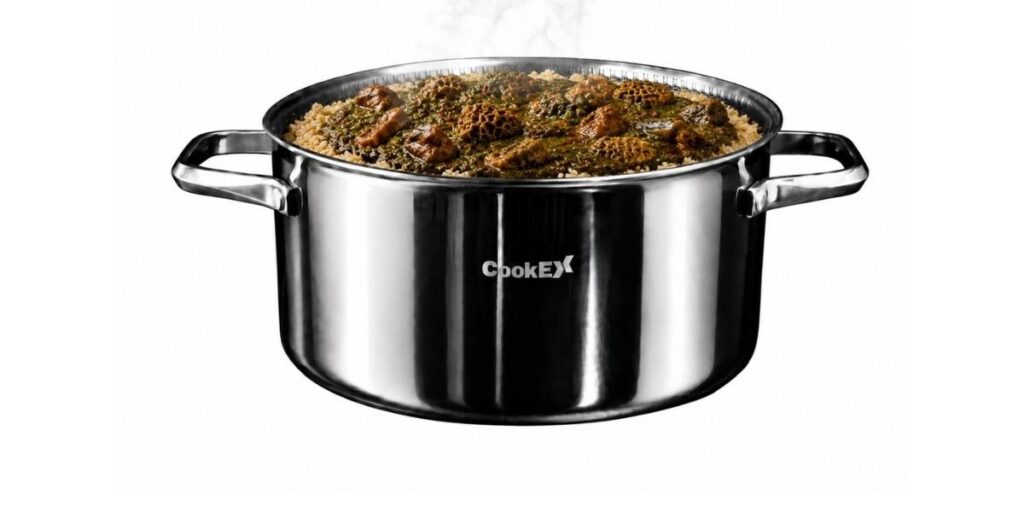
Ofada rice is a short-grain, locally grown rice from Ogun State with a distinct, slightly fermented aroma. Its traditional partner is Ayamase — a completely green pepper sauce made with unripe peppers and bleached palm oil, loaded with assorted proteins.

Ingredients

  • 600 g ofada rice (parboiled, husked)
  • For Ayamase sauce:
  • 200 ml red palm oil (to be bleached)
  • 8 green Scotch bonnet peppers (green atarodo)
  • 4 green bell peppers (green tatashe)
  • 2 large onions
  • 200 g assorted meats (ponmo, gizzard, shaki)
  • 2 tablespoons ground crayfish
  • 3 stock cubes
  • Salt to taste

Method

  1. Cook ofada rice in plenty of salted water until just tender. Drain and set aside.
  2. Bleach the palm oil: heat in an open pot on medium-high for 10 to 12 minutes until colour clears to light amber.
  3. Blend the green peppers and onions coarsely — you want texture, not a smooth paste.
  4. Let bleached oil cool slightly, then add the blended pepper mix. Fry on medium heat for 15 to 20 minutes.
  5. Add pre-cooked assorted proteins, crayfish, stock cubes, and salt. Stir well.
  6. Cook the sauce for another 10 minutes until oil has fully separated.
  7. Serve ofada rice wrapped in banana leaves or on a plate with Ayamase poured generously over it.

Chef's Tip

Bleaching palm oil is a technique unique to this dish and must be done carefully. Do not over- bleach to the point of burning. The oil should be light amber, not black.

Pounded Yam

Origin: South-West, South-East, South-South Nigeria — National swallow
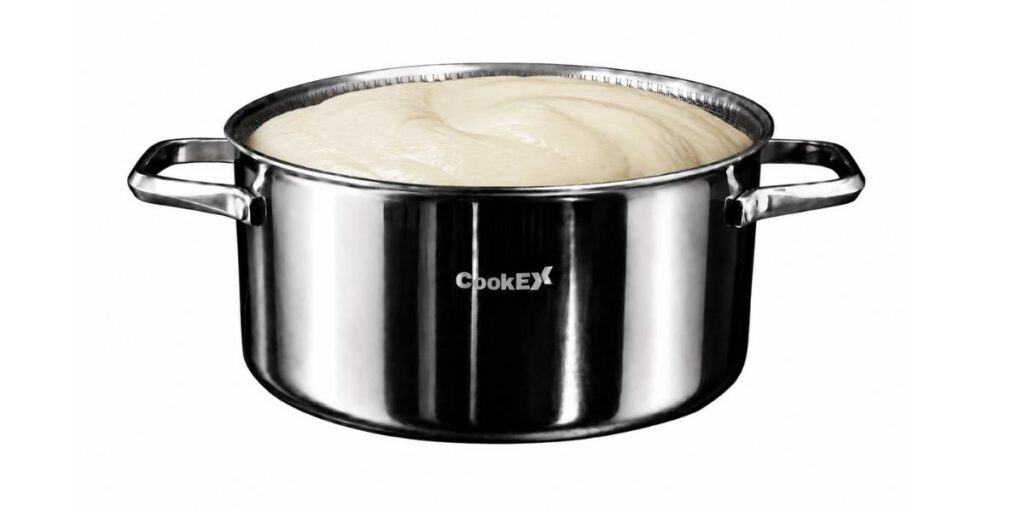
Pounded yam is the king of Nigerian swallows. Made from white yam that is boiled and pounded until smooth, stretchy, and elastic, it is the preferred partner for most Nigerian soups. A good pounded yam has no lumps, no strings, and stretches like silk.Pounded yam is the king of Nigerian swallows. Made from white yam that is boiled and pounded until smooth, stretchy, and elastic, it is the preferred partner for most Nigerian soups. A good pounded yam has no lumps, no strings, and stretches like silk.

Ingredients

  • 2 kg white yam (Dioscorea rotundata), peeled and cut into chunks
  • Water for boiling
  • Salt (optional)

Method

  1. Peel the yam and cut into uniform chunks. Place in a pot, cover with water, and boil on high heat until completely soft — about 20 to 25 minutes.
  2. Drain all the water completely. Return the pot to low heat for 2 minutes to evaporate remaining moisture.
  3. Transfer to a large mortar. Begin pounding with vertical strokes to break the yam down.
  4. Once the yam begins to form a mass, pour in 2 to 3 tablespoons of hot water, fold, and continue pounding.
  5. Pound for 8 to 12 minutes, folding and turning the mass regularly, until perfectly smooth and elastic.
  6. Serve immediately moulded with wet hands into a dome shape. Pair with egusi, okra, or any soup.

Chef's Tip

The yam must be completely drained before pounding — any excess water makes it sticky and weak. Old yam pounds better than new yam.
CHAPTER Three

Proteins & Grills

3
Fire, Smoke & Umami

Suya (Hausa Spiced Skewers)

Origin: Hausa-Fulani tradition — Northern Nigeria
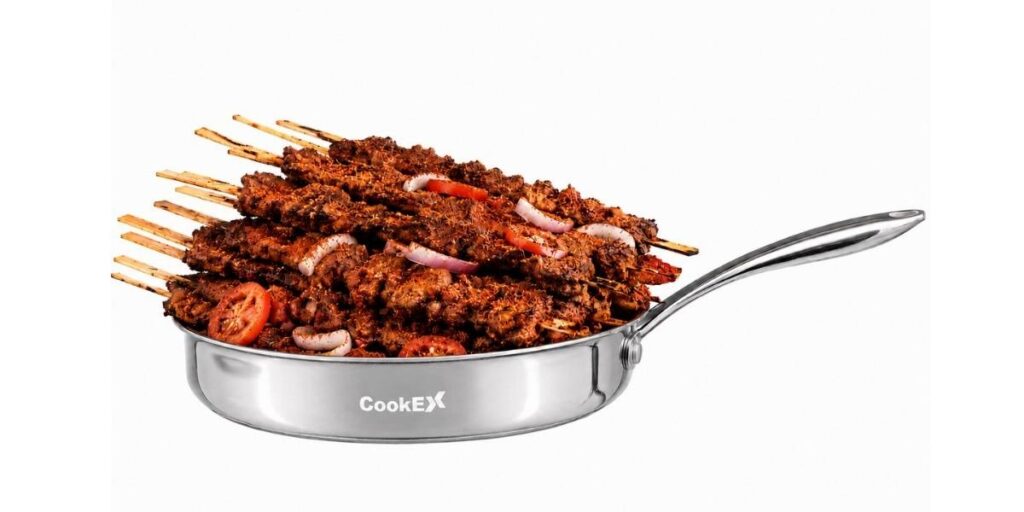
Suya is Nigeria’s most iconic street food. Thin slices of beef coated in complex yaji spice and grilled over hot coals until charred at the edges and juicy inside. Served with sliced raw onion, tomato, and more yaji powder.

Ingredients

  • 1 kg beef sirloin or flank, sliced thinly across the grain
  • For Yaji spice mix:
  • 4 tablespoons ground roasted groundnuts (peanut flour)
  • 2 tablespoons paprika
  • 1 tablespoon ground ginger
  • 1 teaspoon ground garlic
  • 1 teaspoon cayenne pepper
  • 1 teaspoon kuli kuli powder
  • 1 teaspoon onion powder
  • 1 teaspoon salt
  • Half teaspoon ground cloves
  • For serving: raw onion, tomato, cucumber, extra yaji

Method

  1. Combine all yaji spice mix ingredients thoroughly. This is your seasoning and coating.
  2. Slice beef as thinly as possible — ideally 5 mm. Pound each slice lightly with a mallet to
    tenderise.
  3. Coat each beef slice generously with the yaji mix on both sides. Skewer using flat suya
    sticks.
  4. Allow to marinate for at least 30 minutes (overnight in the fridge is ideal).
    61. Grill over charcoal or a very hot grill pan for 4 to 5 minutes per side, turning once. Edges
    should char slightly.
  5. While hot, brush with a little vegetable oil and dust with more dry yaji powder.
  6. Serve immediately with sliced raw onion, tomato, and cucumber.

Chef's Tip

The secret to suya spice is the groundnut flour — it creates the distinctive earthy crust. Always grill hot and fast — suya that lingers dries out.

Peppered Gizzard

Origin: Pan-Nigerian — Lagos small chops staple
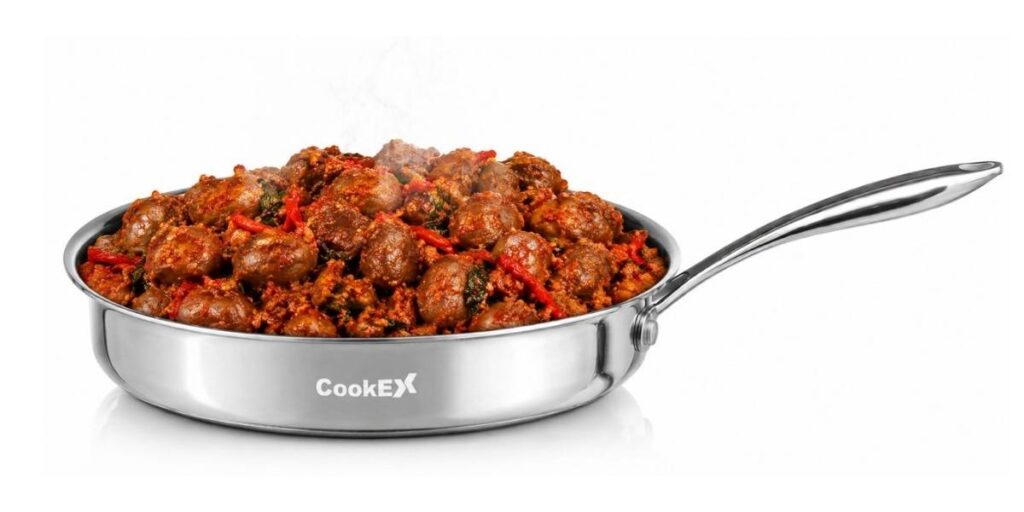
Peppered gizzard is the undisputed king of Nigerian small chops. Chicken gizzards pressure – cooked until perfectly tender, fried until golden and crispy, then tossed in a vibrant, hot pepper sauce. One plate is never enough.

Ingredients

  • 1 kg chicken gizzards, cleaned and trimmed
  • Vegetable oil for deep frying
  • For the pepper sauce:
  • 4 Scotch bonnet peppers
  • 2 red bell peppers
  • 1 large onion
  • 3 tablespoons vegetable oil
  • 2 stock cubes
  • Salt and seasoning to taste
  • 1 teaspoon ground ginger
  • Fresh scent leaves (efirin/basil) — optional

Method

  1. Season cleaned gizzards with stock cubes, ginger, and salt. Pressure cook for 20 minutes or boil for 45 minutes until fully tender.
  2. Drain and pat gizzards completely dry with paper towels.
  3. Deep fry gizzards in hot oil (180 degrees C) for 5 to 6 minutes until golden and crispy. Drain on paper.
  4. Blend Scotch bonnet, red bell pepper, and half the onion coarsely.
  5. Heat oil in a pan. Slice remaining onion and fry until soft.
  6. Add blended pepper. Fry for 8 to 10 minutes on medium-high heat until oil rises.
  7. Add fried gizzards. Toss vigorously to coat every piece. Add scent leaves, stir, and serve immediately.

Chef's Tip

Drying the gizzards thoroughly before frying is non-negotiable. Wet gizzards cause oil splatter and produce a steamed, soft exterior instead of a crispy one.

Asun (Peppered Goat Meat)

Origin: Ekiti State — Yoruba South-West NigeriaOrigin: Ekiti State — Yoruba South-West Nigeria
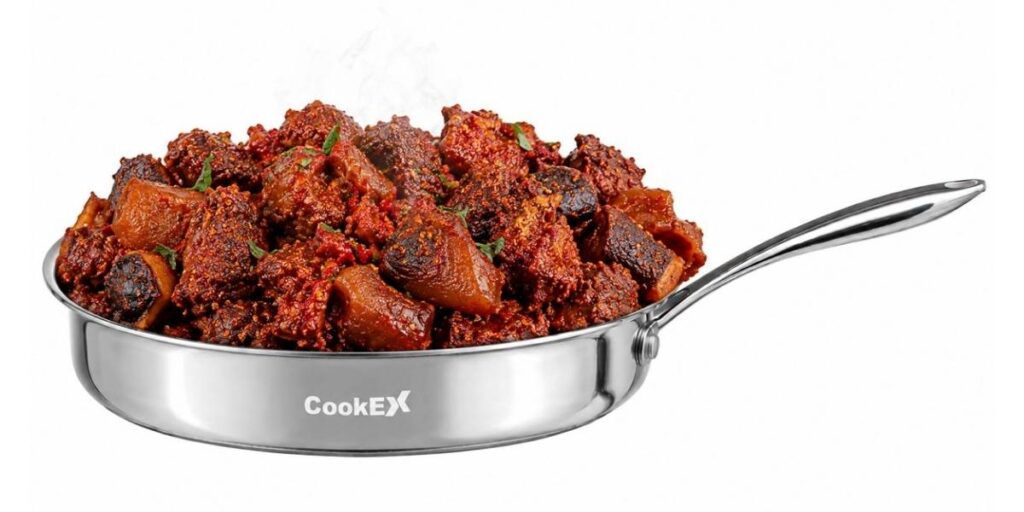
Asun is a roasted, peppered goat meat dish from Ekiti State that has conquered the entire Nigerian party scene. Smoky, chewy, searingly hot, and deeply addictive — it is the most requested small chop at every celebration.

Ingredients

  • 2 kg bone-in goat meat with skin
  • 6 Scotch bonnet peppers
  • 3 red bell peppers
  • 2 large onions
  • 4 tablespoons vegetable oil
  • 3 stock cubes
  • 1 teaspoon ground cameroun pepper
  • Fresh parsley or scent leaves to garnish
  • Salt to taste

Method

  1. Season goat meat with stock cubes, salt, and half of one blended onion. Marinate for 30 minutes.
  2. Grill or oven-roast at 200 degrees C for 35 to 40 minutes until charred at edges and cooked through.
  3. Cut grilled meat into smaller pieces while still hot.
  4. Blend Scotch bonnet, red bell pepper, and remaining onion coarsely.
  5. Heat oil in a wok. Add blended pepper mix and fry for 10 minutes until dried and fragrant.
  6. Add grilled goat meat pieces. Toss to coat. Cook together for 10 minutes.
  7. Adjust seasoning, garnish with fresh herbs, and serve with toothpicks or with rice.

Chef's Tip

Asun must be slightly charred — that smokiness is part of the flavour identity. If using an oven, finish under the broiler for the last 5 minutes to get colour.
CHAPTER FOUR

Street Food & Snacks

4
Lagos in a Bite

Akara (Black-Eyed Pea Fritters)

Origin: Yoruba tradition — South-West Nigeria
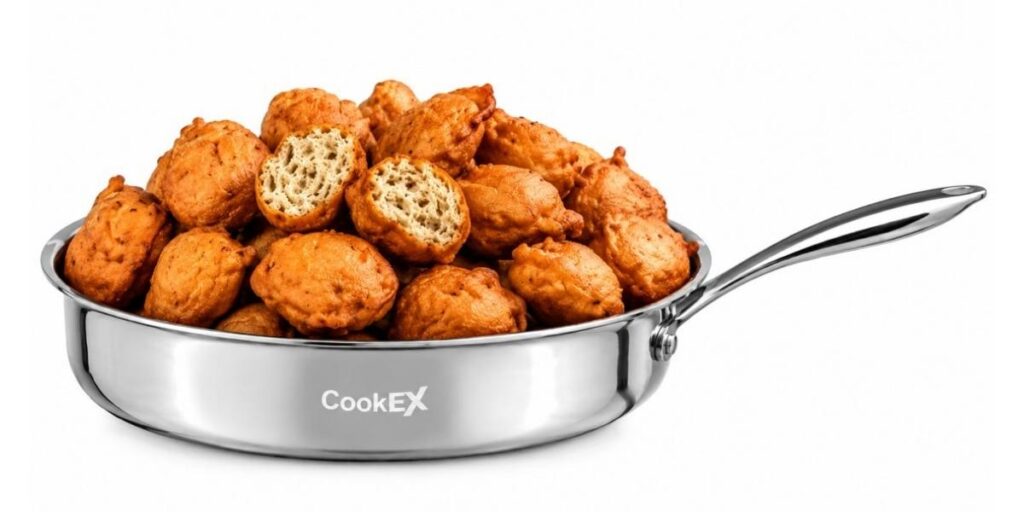
Akara is the ultimate Nigerian morning street food. Ground black-eyed peas are whipped into a thick, airy batter and spooned into bubbling palm oil. The result is a golden, slightly crispy exterior with a fluffy, savoury interior.

Ingredients

  • 500 g black-eyed beans, soaked overnight and peeled
  • 1 small onion, roughly chopped
  • 3 Scotch bonnet peppers
  • 1 teaspoon salt
  • 1 stock cube, crushed
  • Palm oil or vegetable oil for deep frying
  • Water (very little, only as needed)

Method

  1. Soak black-eyed beans overnight. Peel by rubbing between your palms under running water until all skins are removed.
  2. Blend peeled beans with onion and Scotch bonnet until very smooth. Add water only a tablespoon at a time — batter must be thick.
  3. Transfer batter to a bowl. Add salt and crushed stock cube. Whip vigorously for 3 minutes to incorporate air.
  4. Heat deep frying oil to 175 degrees C.
  5. Drop spoonfuls of batter into the hot oil. They should puff immediately. Fry in batches, turning once, for 4 to 5 minutes until deep golden.
  6. Drain on paper towels and serve hot with pap (ogi) or bread.

Chef's Tip

Whipping the batter is the single most important step for fluffy akara. Whip until the batter is pale and almost mousse-like. Test one fritter first to check seasoning before frying the entire batch.

Puff Puff

Origin: Pan-Nigerian — West African deep-fried dough
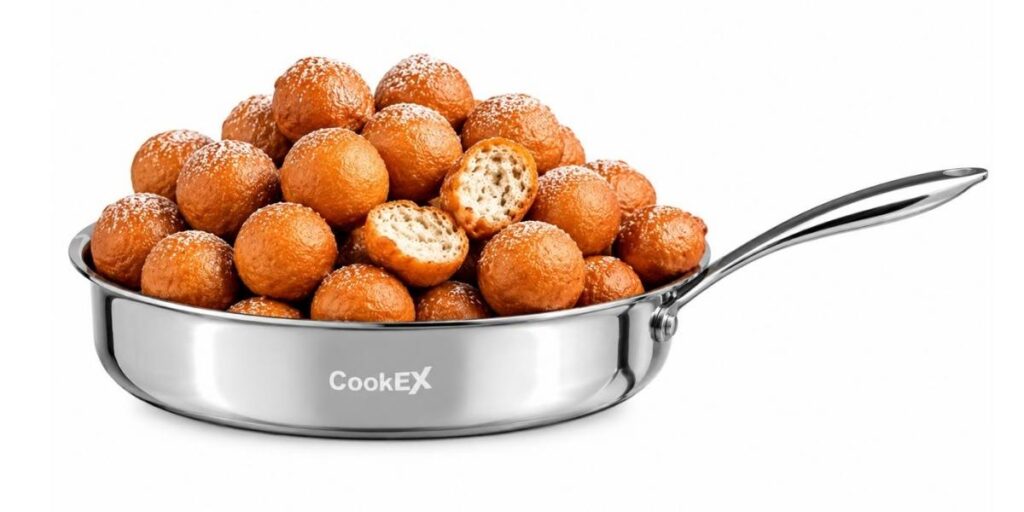
Puff puff is the beloved Nigerian doughnut — soft, pillowy, slightly sweet balls of yeast-leavened dough deep-fried to a warm, golden perfection. They appear at every birthday party, Christmas table, and street corner market.

Ingredients

  • 500 g plain flour
  • 7 g instant yeast (1 sachet)
  • 100 g sugar
  • 1 teaspoon salt
  • 1 teaspoon ground nutmeg
  • 350 ml warm water
  • Vegetable oil for deep frying
  • Icing sugar for dusting (optional)

Method

  1. Combine flour, sugar, salt, nutmeg, and instant yeast in a large bowl. Mix dry ingredients thoroughly.
  2. Add warm water gradually and mix to form a smooth, thick batter.
  3. Cover with a damp cloth and leave in a warm place for 45 minutes to 1 hour until doubled and bubbly.
  4. Heat oil to 170 degrees C.
  5. Using a wet spoon or ice cream scoop, drop portions of batter into the hot oil.
  6. Fry for 3 to 4 minutes, turning as needed, until evenly golden all over.
  7. Drain on paper towels. Dust with icing sugar if desired. Serve warm.

Chef's Tip

The yeast must be fully activated — your batter should be visibly bubbly and have risen well before frying. Under-proofed batter gives dense, doughy puff puff.

Moi Moi (Steamed Bean Pudding)

Origin: Yoruba tradition — South-West Nigeria
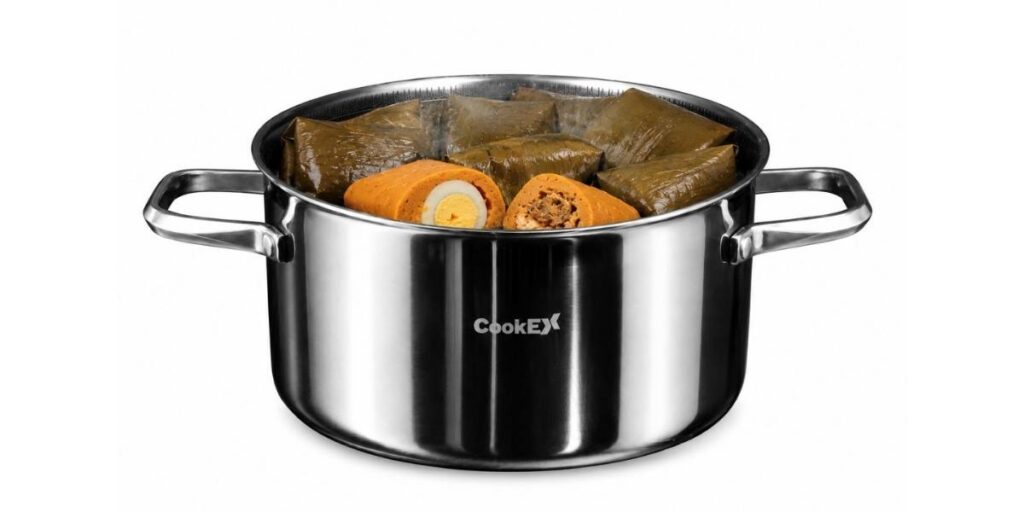
Moi Moi is a savoury steamed bean pudding made from peeled black-eyed peas, transformed through the addition of eggs, fish, and seasoning into a silky, custardy loaf. One of the most nutrient-dense foods in the Nigerian diet.

Ingredients

  • 500 g black-eyed beans, soaked and peeled
  • 1 large onion
  • 4 Scotch bonnet peppers
  • 3 tablespoons crayfish
  • 3 tablespoons vegetable oil
  • 3 stock cubes
  • Salt to taste
  • 3 hard-boiled eggs, halved (for filling)
  • 200 g smoked fish or sardines (for filling)
  • Water as needed
  • Foil or banana leaves for wrapping

Method

  1. Blend peeled beans with onion, Scotch bonnet, and enough water to form a smooth, pourable batter.
  2. Add crayfish, oil, stock cubes, and salt. Mix thoroughly.
  3. Portion the batter into foil cups or banana leaf wraps. Into each, place half a boiled egg and a portion of fish before sealing.
  4. Arrange in a steamer or large pot with a rack. Pour water to the base, not touching the moi moi.
  5. Steam on medium heat for 40 to 45 minutes. Insert a toothpick — it should come out clean when done.
  6. Allow to cool slightly before unwrapping and serving.

Chef's Tip

Moi Moi batter must be sufficiently watered down to flow — if it is too thick, the pudding will be gummy inside. Shake a filled foil cup gently — the batter should jiggle.